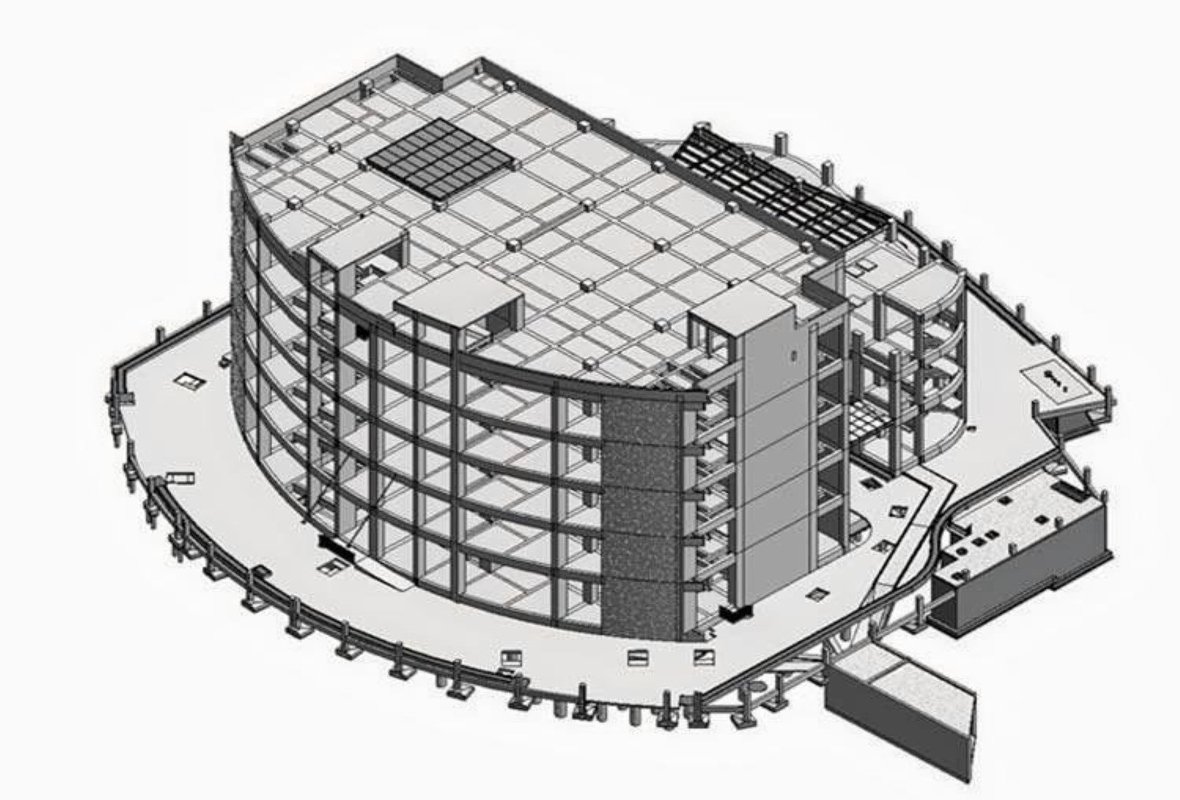
What Is Structural Peer Review and Why Is It Important?
Structural engineering plays a critical role in ensuring the safety, stability, and
performance of a building or infrastructure project. As structural designs become
increasingly complex, an independent structural peer review can provide an
additional level of technical assurance before construction begins.
A structural peer review involves an experienced engineer independently examining the
structural design, calculations, drawings, assumptions, and engineering approach to
identify potential issues and opportunities for improvement.
For developers, architects, contractors, consultants, and project owners, peer review
can help improve confidence in the structural design and reduce the risk of costly
problems during construction.
What Is Structural Peer Review?
A structural peer review is an independent technical assessment of a structural
design prepared by another engineer or design team.
The reviewer evaluates whether the proposed structural system is technically
appropriate and whether the design generally satisfies applicable design
requirements, project criteria, and engineering principles.
Depending on the project scope, a peer review may examine:
- Structural drawings
- Design calculations
- Structural systems
- Loading assumptions
- Material specifications
- Design criteria
- Applicable codes and standards
- Constructability
- Design coordination
- Potential technical risks
The purpose is not necessarily to redesign the entire project. Instead, the review
provides an independent engineering perspective and identifies areas that may
require clarification, correction, or optimization.
Why Is Structural Peer Review Important?
1. Provides an Independent Engineering Perspective
Design teams can benefit from having another experienced engineer examine their work.
An independent review may identify assumptions, design considerations, coordination
issues, or potential concerns that were not obvious during the original design
process.
This additional perspective can increase confidence in the overall design.
2. Helps Identify Design Errors and Omissions
Even experienced engineering teams can overlook details in complex projects.
A peer review can help identify potential:
- Calculation errors
- Inconsistent design assumptions
- Missing structural details
- Coordination issues
- Incomplete documentation
- Load path concerns
- Design inconsistencies
Finding these issues before construction can help reduce the likelihood of expensive
corrections later.
3. Improves Structural Safety
Structural safety is one of the primary objectives of engineering design.
A peer review provides an additional technical check of the structural system and
its underlying design approach.
The review can help verify that key structural considerations have been appropriately
addressed and that the design is consistent with the project's requirements and
applicable standards.
4. Reduces Construction Risks
Design problems discovered during construction can lead to delays, rework, material
changes, and additional costs.
A structural peer review performed before construction can help identify potential
issues at an earlier stage.
Early identification generally provides more opportunities to resolve problems
efficiently.
5. Supports Better Design Decisions
Peer review is not only about finding mistakes.
An experienced reviewer can also provide recommendations regarding:
- Structural system selection
- Material efficiency
- Constructability
- Design coordination
- Alternative engineering approaches
- Structural optimization
These recommendations can help the project team make better-informed decisions.
What Does a Structural Peer Review Include?
The scope of a structural peer review depends on the project's size, complexity, and
requirements.
Review of Design Criteria
The reviewer examines the basic design criteria, including applicable codes,
standards, loads, material properties, and project-specific requirements.
Review of Structural System
The overall structural system is assessed to determine whether the proposed approach
is appropriate for the project.
This may include reviewing foundations, columns, beams, slabs, frames, walls,
connections, and other major structural elements.
Review of Structural Calculations
Relevant calculations are examined to assess the design assumptions, methodologies,
load combinations, and engineering results.
Review of Drawings
Structural drawings are reviewed for technical consistency, clarity, completeness,
and coordination with other disciplines.
Constructability Review
Constructability Review
When Should a Structural Peer Review Be Performed?
A peer review can be performed at different stages of a project, depending on its
requirements.
Common stages include:
Concept Design:
An early review can help evaluate the proposed structural system before significant
design work is completed.
Pre-Tender Stage:
Reviewing the structural design before tendering can help identify issues that could
affect project cost, quantities, and construction requirements.
Detailed Design Stage:
A peer review can provide additional assurance before construction documentation is
finalized.
Before Construction:
A final review can help identify outstanding technical issues before construction
activities begin.
For complex projects, peer reviews may be performed at multiple stages.
Structural Peer Review vs Structural Design
It is important to understand the difference.
Structural Design involves developing the structural system, calculations, drawings,
and engineering documentation for a project.
Structural Peer Review involves independently examining the work prepared by the
design team and providing technical observations and recommendations.
A peer reviewer therefore provides an independent perspective rather than simply
repeating the original design process.
How Structural Peer Review Can Save Project Costs
Resolving a design issue during the design stage is generally easier than correcting
it after construction has started.
A peer review can help identify opportunities for:
- Reducing unnecessary structural materials
- Improving structural efficiency
- Avoiding design revisions during construction
- Improving constructability
- Reducing potential rework
- Optimizing structural systems
When combined with value engineering, structural peer review can contribute to a more
efficient and cost-effective project without compromising required safety and
performance.
Why Choose Smx Engineers for Structural Peer Review?
Smx Engineers provides professional structural peer review services designed to give
project stakeholders an additional level of technical confidence.
Our review approach focuses on understanding the project requirements, examining the
structural design, identifying potential technical risks, and providing practical
recommendations.
Our structural peer review services can support:
- Developers
- Contractors
- Architects
- Engineering consultants
- Project owners
- Infrastructure project teams
We aim to deliver clear, practical, and technically focused reviews that help clients
make informed project decisions.
Conclusion
Structural peer review is an important quality-assurance step for many construction
and infrastructure projects. An independent review can help identify potential
design issues, improve technical quality, reduce construction risks, and provide
greater confidence before a project moves forward.
Whether performed during the concept, pre-tender, detailed design, or
pre-construction stage, a properly planned structural peer review can add
significant value to the project.
Smx Engineers provides structural peer review and engineering services to help
clients improve design quality, identify potential risks, and achieve practical and
efficient structural solutions.

 Call Now ! +91 97376 35218
 Email Now smxengineers@gmail.com